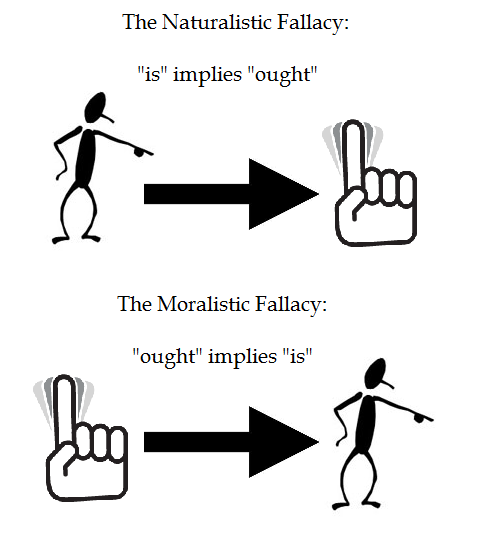
To say something is natural is to broadly say that it has not been contaminated in some way by dirty humans. It's part of the world that exists independent of our interference. The idea of natural gets tricky though when we talk about what is natural for us to do. When people say that a behavior is natural, they seem to be implying that it is a part of our human nature. This can be contrasted with normal, indicates an importance placed on the norms of rules of the society one lives in.
So the "age old question" of nature vs. nurture is not as mysterious as many may think. The goal of most psychological research is to find something that is similar in all of us, and for this to work, it requires the hypothesis that there is a shared human nature. If our individual differences were so extreme that nothing could ever be accurately predicted about human behavior, then psychology as a science would not exist. Through extensive research, we can determine facts about our human nature, but not all of these facts align with how we would like things to be.
Obesity is a historically recent trend. If you asked most people why this epidemic exists, their response will probably reference that people like to eat a lot, and that some people may be predisposed to having larger body types. This isn't incorrect, but it doesn't completely answer the question. We all like to eat, but why do these people eat so much? Evolutionary psychology has a satisfying answer. In our ancestral past, food was scarce so it made the most sense to eat as much of it as you could whenever possible. The taste that we developed for certain foods was based on their survival value to us. Fruits were appealing because the sugar increased glucose levels that aided in cognitive functioning. Thus, people who ate lots of fruit reproduced more leading to a higher propensity for a sweet tooth in the gene pool. Today, we can create foods that take advantage of this "sweet tooth," leading to such creations that never existed in our ancestral past. Yet even though these foods didn't exist, the cues did, and the cues are still working now, below our conscious awareness.

What this means is that if we stick to "if it is natural, it is good" then it logically follows that obesity, working on natural cues, is good. I doubt anyone would serious defend that view. They might say "The cue is natural, but the result of obesity isn't!" And I would be inclined to agree. Nature and nurture is separable in ways such as these. We have beliefs, attitudes, desires, and fears that we are predisposed to by nature (our genes), and which can be molded ever-so-slightly by nurture (societal influence). The distinction we need to make, which people often fail to do, is that there are plenty of natural things that we don't like, and plenty of natural things that we do like. Similarly, there are plenty of societal things that we don't like, and plenty of societal things that we do like. We just need to stop claiming that everything natural is automatically good because it gives a free pass to plenty of behaviors that we adaptive in our ancestral past that we can rationally say no longer aid us in the world we want to live in today.
Nothing could be less natural than birth control. It is the ultimate anti-evolution technology. If natural selection were allowed to take its course and could keep up with society (this is a thought experiment) future generations would probably possess some mechanism for subverting our birth control techniques.

The entire reason we have a sex drive is because our genes want to make more copies of themselves. That doesn't mean we have to be bound to the idea that if we want sex, we also have to have children. We don't have to in our current society. But those invoking the naturalistic fallacy would have to concede that anyone who engages in sex should want children, since that is what sex is for. The pleasure is a side effect! Individuals that enjoyed sex did it more, individuals that had more sex bore more children, individuals that had children are the only sets of genes that could have survived to the next generation. Cue 4 million years of hominid evolution working with this principle and you have our current sex-obsessed homo sapiens. It is completely natural to desire sex, even lots of sex, but that can't say anything one way or another about whether or not that's a good thing for an individual or for society. Understanding the cause of our desires is extremely important to treating the things that we want to change. If you go around telling people that their sex drive is unnatural and something that someone can control because it's been taught to them, they will not only be confused, but they will have no way of dealing with their (probably) non-existent problem. Clarification is needed. Psychology, anthropology, and biology provide the answers.


